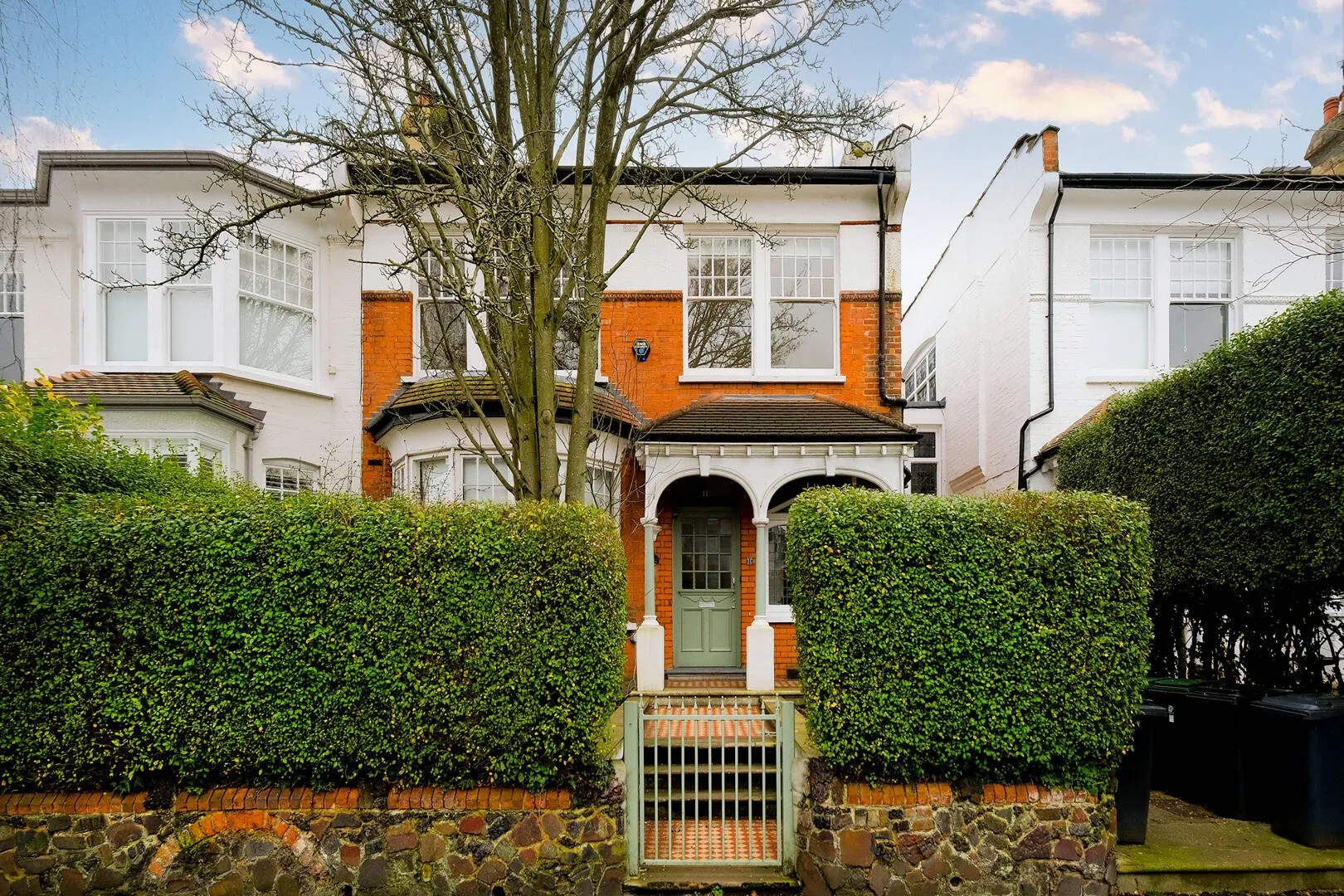
Your step-by-step journey to buying a home with confidence — from first budget to front door.
Know your budget before you start viewing
Before you begin your property search, it's essential to understand what you can afford. Getting a Mortgage Agreement in Principle (AIP) from a lender will give you a clear picture of your budget and shows estate agents and sellers that you're a serious buyer.
Consider speaking with a mortgage broker who can compare deals across the market. Factor in additional costs such as stamp duty, solicitor fees, survey costs, and removal expenses when calculating your total budget.
Define your priorities and start your search
Make a list of your must-haves: location, property type, number of bedrooms, garden space, parking, and proximity to schools or transport links. Use online portals and register with estate agents in your target areas to receive new listings directly.
When you find properties that interest you, book viewings to see them in person. Pay attention to the condition of the property, the surrounding area, and any potential issues that might need addressing. Don't be afraid to visit a property more than once.
Work with your agent to submit a competitive offer
Once you've found the perfect property, your agent will guide you through the offer process. They will advise on a suitable offer based on market conditions, comparable sales, and the property's value. Your offer can be made subject to contract and survey.
If your offer is accepted, the property is marked as Sold Subject to Contract (SSTC) and the conveyancing process begins. If there are multiple offers, be prepared to negotiate.
Conveyancing — the legal side of buying a home
Your solicitor or conveyancer will handle the legal transfer of the property. They will conduct searches (local authority, drainage, environmental), review the contract, and handle the transfer of funds. Choose a solicitor with experience in property law and good local knowledge.
Respond promptly to any enquiries from your solicitor to keep the process moving smoothly. Delays in providing information can hold up the entire transaction.
Protect your investment with a professional survey
A survey identifies any structural issues or defects before you commit to the purchase. The level of survey you choose depends on the property's age and condition: a RICS HomeBuyer Report is suitable for conventional properties in reasonable condition, while a Building Survey is recommended for older or unusual properties.
Your mortgage lender will also require a valuation, but this is primarily for their benefit and is not a substitute for a full survey.
The point of no return
Once your solicitor is satisfied with all searches and enquiries, you will be asked to sign the contract and pay the deposit (typically 5–10% of the purchase price). At exchange, the contract becomes legally binding on both parties.
You'll also agree on a completion date at this stage. Exchange usually takes place a week or two before completion, giving you time to arrange removals and finalise your mortgage funds.
Welcome to your new home
On completion day, your solicitor transfers the remaining funds to the seller's solicitor. Once the transaction is complete, you can collect the keys and move into your new home — the most exciting day of the entire process.
Don't forget to arrange buildings insurance from the day of exchange, notify utility companies of your move, register for council tax, and update your address with banks, the DVLA, and other important organisations.
Browse our available properties or speak to our expert team for personalised advice on your buying journey.
View Properties for Sale Contact Us