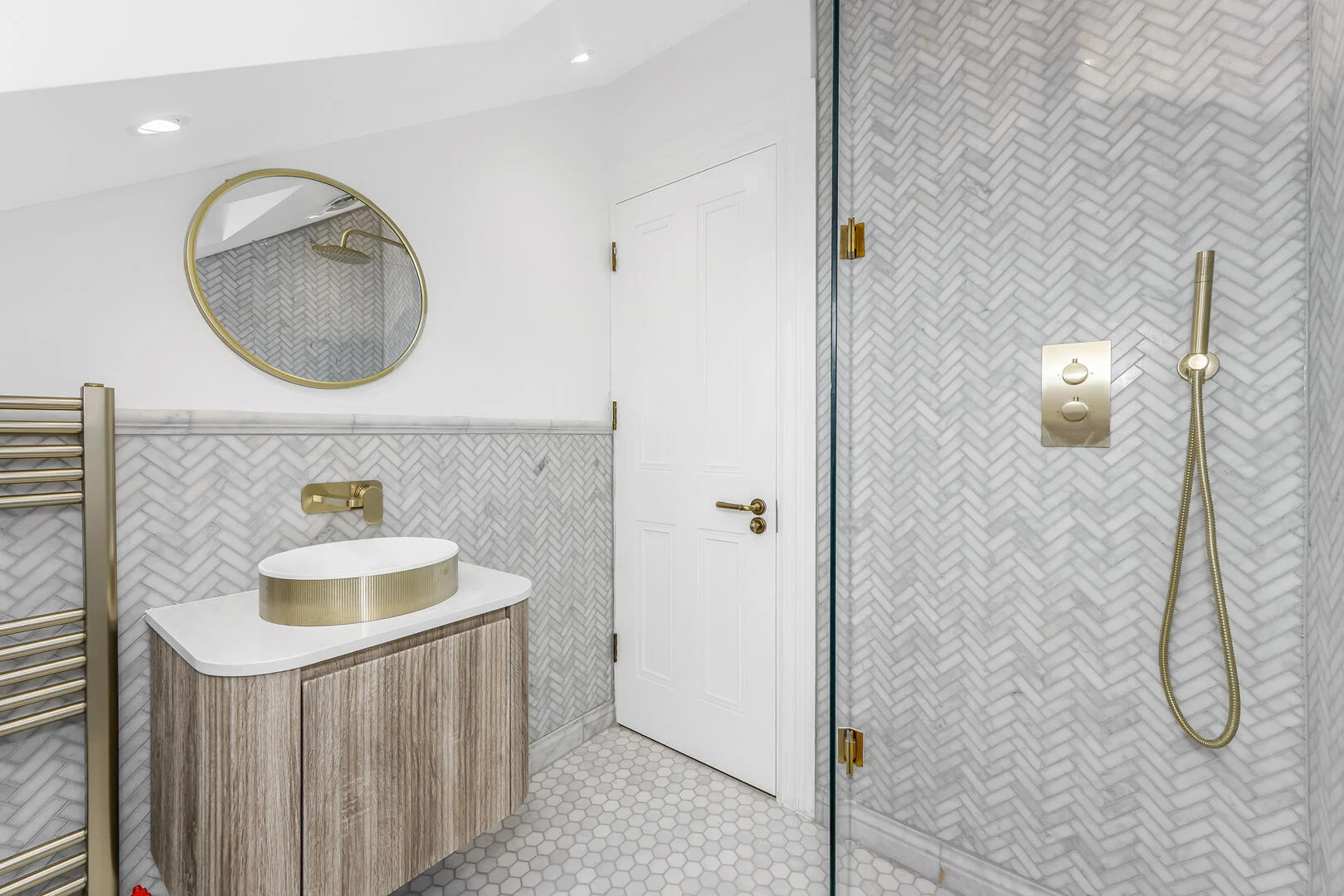
Your complete guide to renting with confidence — from finding the right property to settling into your new home.
Work out what you can afford before you start searching
As a general rule, landlords and letting agents typically look for tenants whose gross annual income is at least 2.5 times the annual rent. Calculate your monthly budget including rent, council tax, utility bills, contents insurance, and internet.
Most rental properties require a deposit of 5 weeks' rent (for properties under £50,000 annual rent), plus the first month's rent in advance. Having these funds ready will speed up the application process when you find the right property.
Find properties that match your requirements
Use online portals such as Rightmove, Zoopla, and OnTheMarket to search for rental properties in your preferred areas. Register with letting agents to receive alerts when new properties become available — the best rental properties go quickly.
When viewing a property, check for signs of damp, the condition of appliances, water pressure, heating efficiency, and storage space. Ask about broadband availability and mobile reception in the area. Take photos and notes to compare properties later.
Submit your application and references
Once you've found a property you'd like to rent, you'll need to complete a tenancy application form. The landlord or agent will carry out referencing checks including credit checks, employment verification, and previous landlord references.
You may need a guarantor if your income doesn't meet the affordability criteria. A guarantor is typically a UK-based homeowner who agrees to cover the rent if you're unable to pay. Self-employed tenants may need to provide additional documentation such as tax returns or accountant references.
Know your rights and responsibilities
Most rental properties use an Assured Shorthold Tenancy (AST), which typically runs for a fixed term of 6 or 12 months. Read the tenancy agreement carefully before signing — it outlines your rights, responsibilities, and the terms of your occupancy.
Pay particular attention to clauses about: break clauses (your option to end the tenancy early), subletting, pets, decorating, and notice periods. If anything is unclear, ask your letting agent to explain before you sign.
Your deposit is protected by law
By law, your deposit must be protected in a government-approved tenancy deposit scheme (TDS, DPS, or mydeposits) within 30 days of payment. Your landlord or agent must provide you with prescribed information detailing which scheme protects your deposit.
At the end of your tenancy, your deposit should be returned within 10 days of agreeing on any deductions. Disputes over deposit deductions can be resolved through the scheme's free dispute resolution service without going to court.
Check in and settle into your new home
Before moving in, you'll have an inventory check-in appointment. Go through the inventory thoroughly, noting the condition of every item and taking dated photographs. This is your evidence in case of any deposit disputes at the end of the tenancy.
Take meter readings on move-in day and notify utility providers and the local council of your tenancy start date. Set up contents insurance to protect your belongings. Introduce yourself to neighbours and familiarise yourself with the property's fire safety arrangements.
Maintaining your home and communicating with your landlord
Report any maintenance issues to your landlord or letting agent promptly. Keep a record of all communications. Most tenancy agreements require you to allow access for annual gas safety checks and other necessary inspections with reasonable notice.
If you wish to end your tenancy early, check your tenancy agreement for break clause terms. Without a break clause, you may be responsible for rent until the end of the fixed term or until a new tenant is found.
Browse our available rental properties or speak to our lettings team for expert guidance on your rental journey.
View Properties to Let Contact Us